Offensive Security
Methodical adversarial assessment, passive reconnaissance, and attack-surface analysis scoped strictly to authorized environments and educational research.
MultiHAT Operations // Software, AI & Security Engineer
Recruiter-first security portfolio built on proven work. Moving seamlessly through the continuous loop: Assess attack surfaces lawfully, Harden defensive architectures with verifiable controls, and Govern / Disclose risk with technical clarity and ethical precision.
Replacing arbitrary skill percentages with equal-weight evidence dossiers. Each vector follows strict provenance: Objective & Scope, Method, Tangible Artifact, Result State, and Direct Evidence Link.
Methodical adversarial assessment, passive reconnaissance, and attack-surface analysis scoped strictly to authorized environments and educational research.
Converting attack insight into resilient infrastructure: hardened CSP, local-only asset isolation, multi-factor authentication, and zero-trust engineering.
Translating technical findings into prioritized business risk. Enforcing responsible disclosure ethics, remediation roadmaps, and clear executive reporting.
Curated repositories and functional tools. Every entry links directly to public code with stated operational scope.
Non-destructive passive attack surface mapping utility analyzing DNS, SSL, headers, and historical assets to compute a 0-100 exposure score with interactive visual graphs.
Modular passive reconnaissance CLI inspecting emails, domains, and usernames for leaks, generating interactive exposure graphs, GitHub secret scans, and breach reports.
Reconnaissance suite for phone number validation, international carrier extraction, timezone resolution, and passive reputation verification.
Queue-based rate-limited web vulnerability crawler inspecting missing security headers, cookie flags, reflected XSS, and SQL injection indicators with AI triage export.
Secure, production-ready Python CLI wrapper for Nmap providing 12 automated scan profiles, vulnerability and NSE checks, interactive and non-interactive workflows, strict input validation, and Docker container support.
Linux MAC address spoofer with random vendor assignment for wireless security testing in authorized virtual labs.
Direct video transmission demonstrating hands-on security concepts, tool development, and defensive configuration walkthroughs.
Anonymized summary of an authorized passive reconnaissance assessment conducted against a production web platform.
Strictly non-invasive, passive reconnaissance was conducted without intrusive automated scanning, denial of service, or data exfiltration. The objective was to evaluate external exposure surface, DNS integrity, header configurations, and authentication boundaries. All sensitive target identifiers and specific endpoints are redacted.
DNS records leaked the direct backend origin IP address, bypassing cloud proxy protection and exposing server ports directly.
Asset storage bucket permissions permitted unauthenticated listing and direct retrieval of stored media files.
Login flow accepted arbitrary destination paths in redirection parameters, enabling potential credential harvesting relay.
SMS and email verification codes exhibited no visible rate limits or progressive throttling, creating brute-force risk.
Authentication failure responses varied based on account existence, allowing systematic username and phone discovery.
Absence of strict Content-Security-Policy (CSP), HSTS, and framing controls elevated clickjacking and injection risks.
Remediation guidance with prioritized CVSS scorings was shared directly with platform administrators.
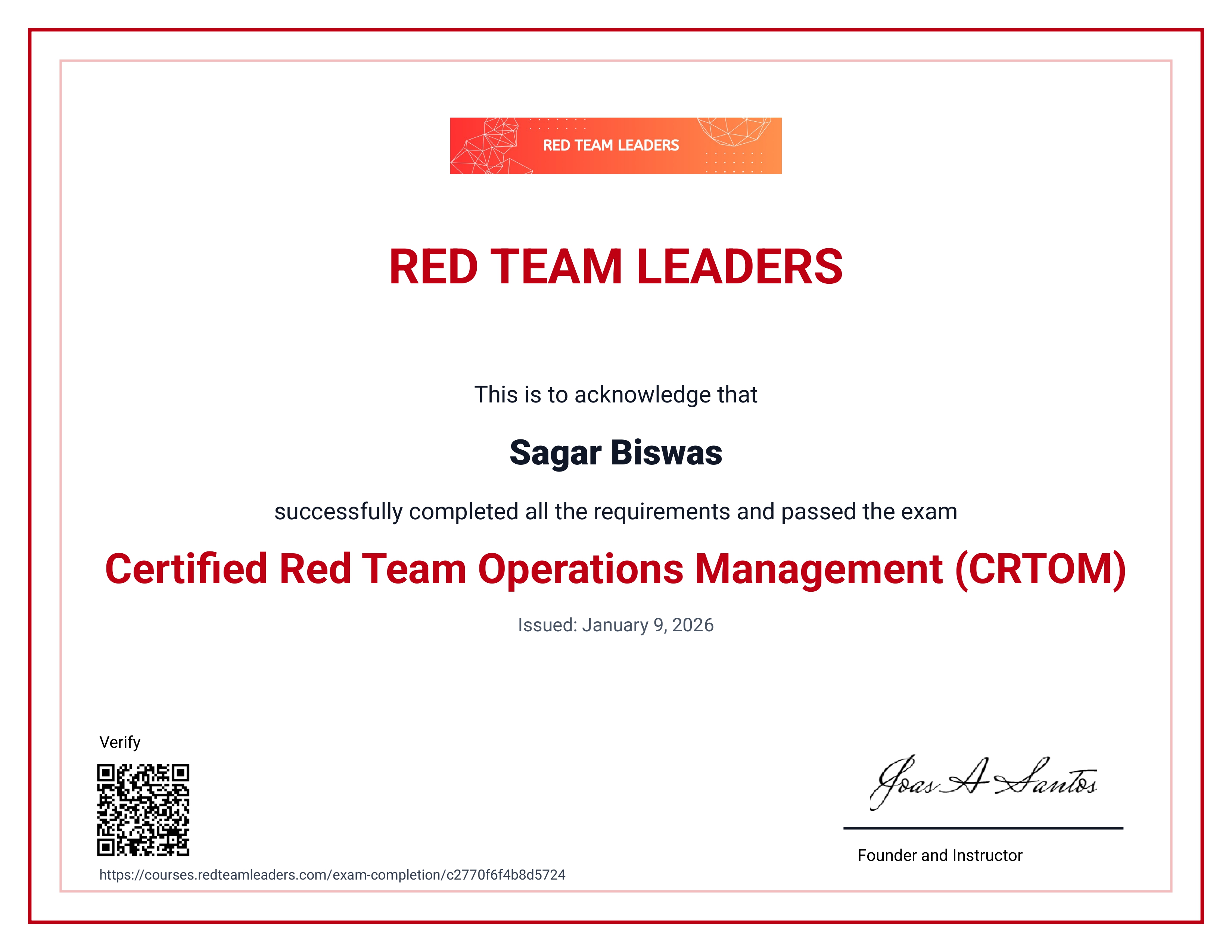
View Sanitized Public Report (PDF) →Certified milestones with documented provenance. Inspect scans directly or verify via official issuer records.
Handcrafted reference guides and interactive study vaults covering systems programming, defensive tradecraft, network protocols, and security automation.
A complete guide for aspiring cybersecurity professionals. Breaks down 35 career roles across Offensive Security, Defensive Security, and GRC with tool ecosystems, real scenarios, and step-by-step certification roadmaps.
The expanded edition covering advanced search syntax and security queries. Connects Google Dork operators to OSINT investigations, vulnerability discovery, ethical hacking, bug bounties, and safe academic research.
A full walkthrough of phishing, from its 1990s origins to today's AI-powered scams. Covers attacker infrastructure, phishing types, warning signs, and the checklists, MFA, and training defenders use to spot and stop attacks.
Detailed security teardowns, cryptographic resilience notes, and defensive field manuals authored for practitioners.
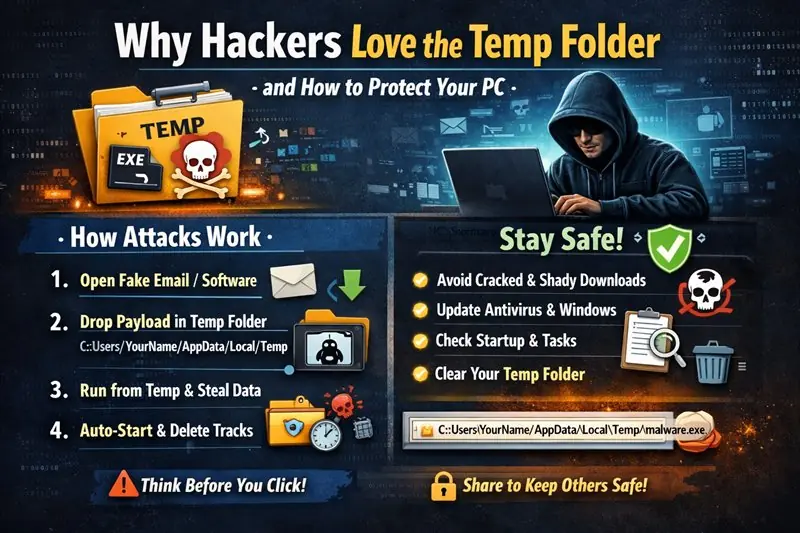
Analysis of initial access persistence mechanisms targeting default temporary directories and specific filesystem access control defenses.
Read Full Transmission →
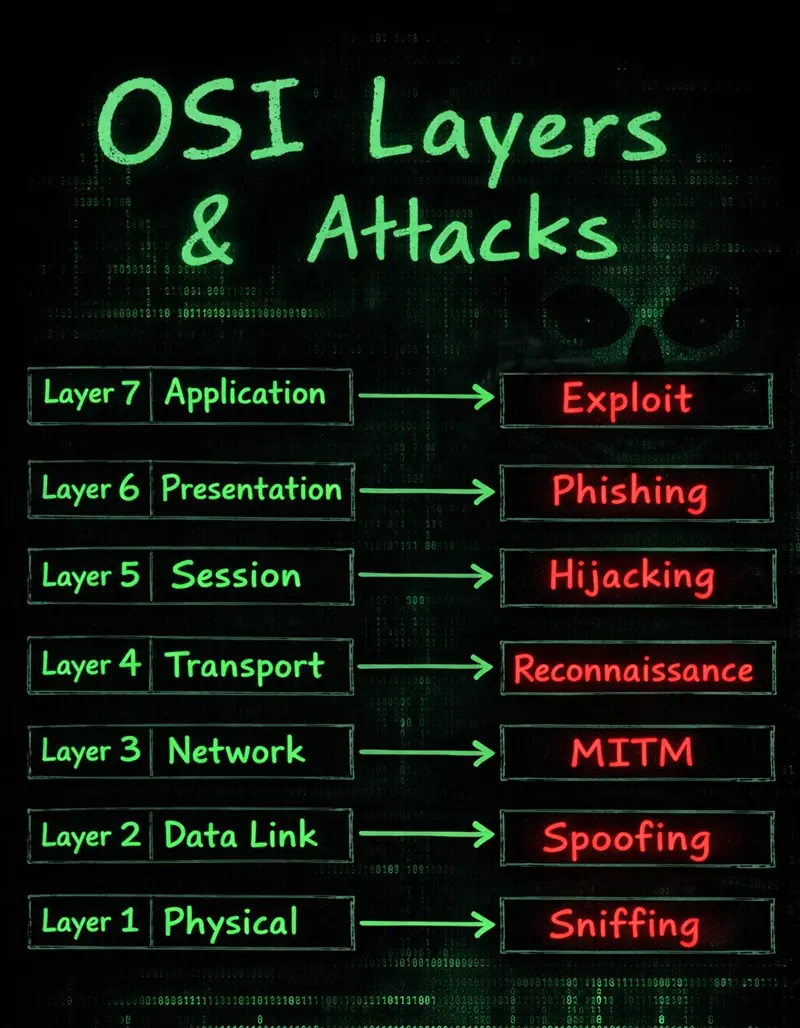
From physical rogue APs to application-layer deserialization attacks: mapping practical exploits to layer-specific mitigations.
Read Full Transmission →
Practical walkthrough of Shor's algorithm impact on public-key infrastructure and transition roadmaps for NIST PQC standards.
Read Full Transmission →Available for security engineering, web security assessment, and technical roles.
Reach out directly for professional roles, technical collaborations, or responsible vulnerability reporting.
All security assessments, vulnerability research, and penetration testing workflows presented in this portfolio are conducted strictly within: